


Mai
The girl · 15
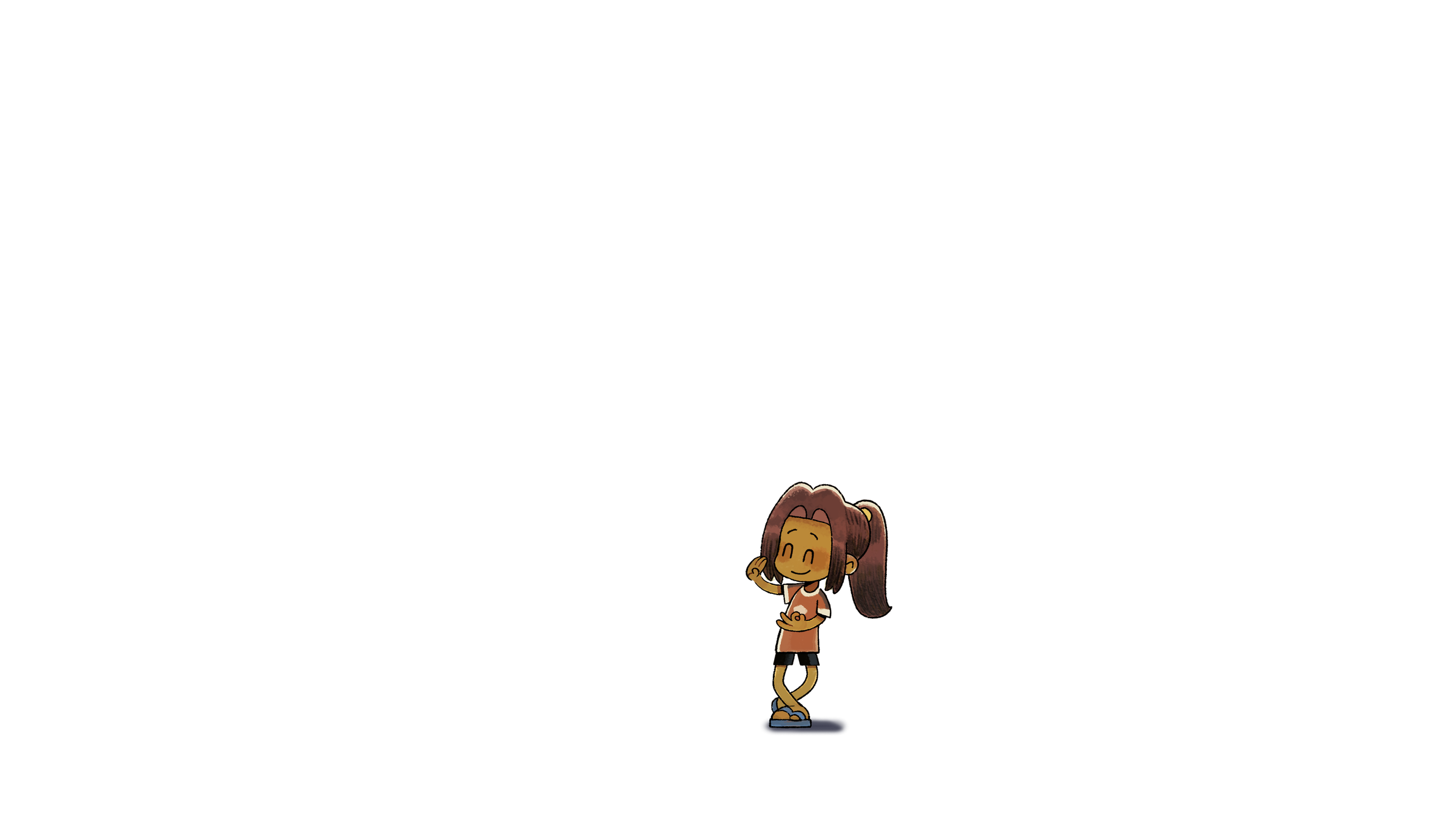
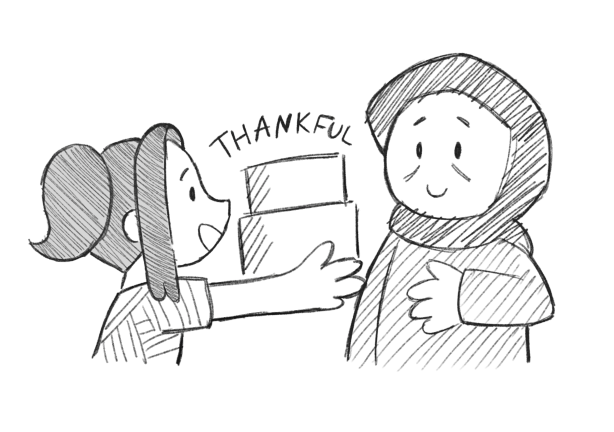
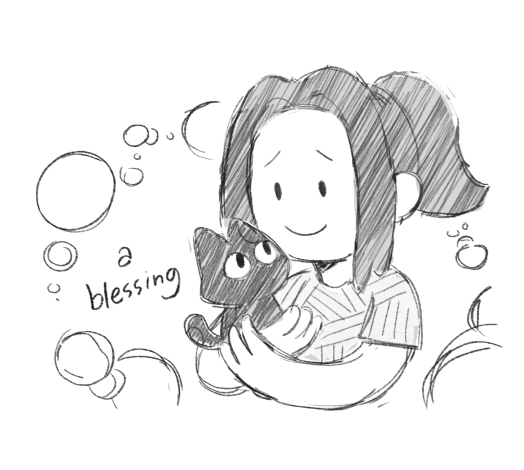
Since losing her parents, Mai has felt lost. Her kindness and quiet sense of responsibility are still there, waiting to come back out. She keeps a notebook for the feelings she can't say out loud.

A gentle ghost story about
learning to live after loss.
The Game
Mai is fifteen, and since she lost her parents she has been moving through life in a fog: present on the outside, far away within. Then she meets Pim, an eleven-year-old phii , one of the warm and playful ghosts that drift through Thai folklore, bright as a lantern and visible only to Mai. They become friends quickly, and slowly the little ghost teaches the living girl how to feel alive again.
Since losing her parents, Mai has felt lost. Her kindness and quiet sense of responsibility are still there, waiting to come back out. She keeps a notebook for the feelings she can't say out loud.
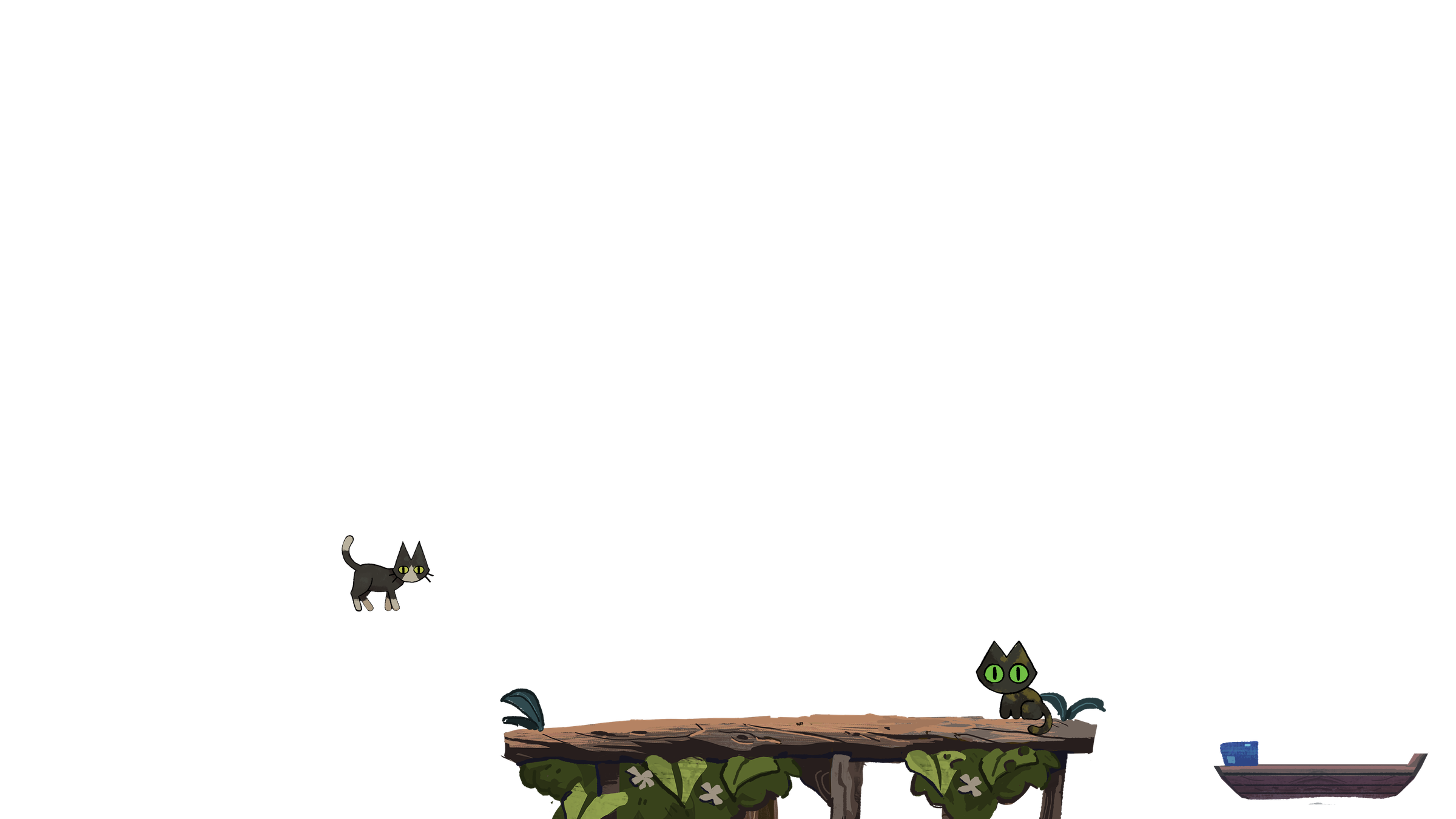
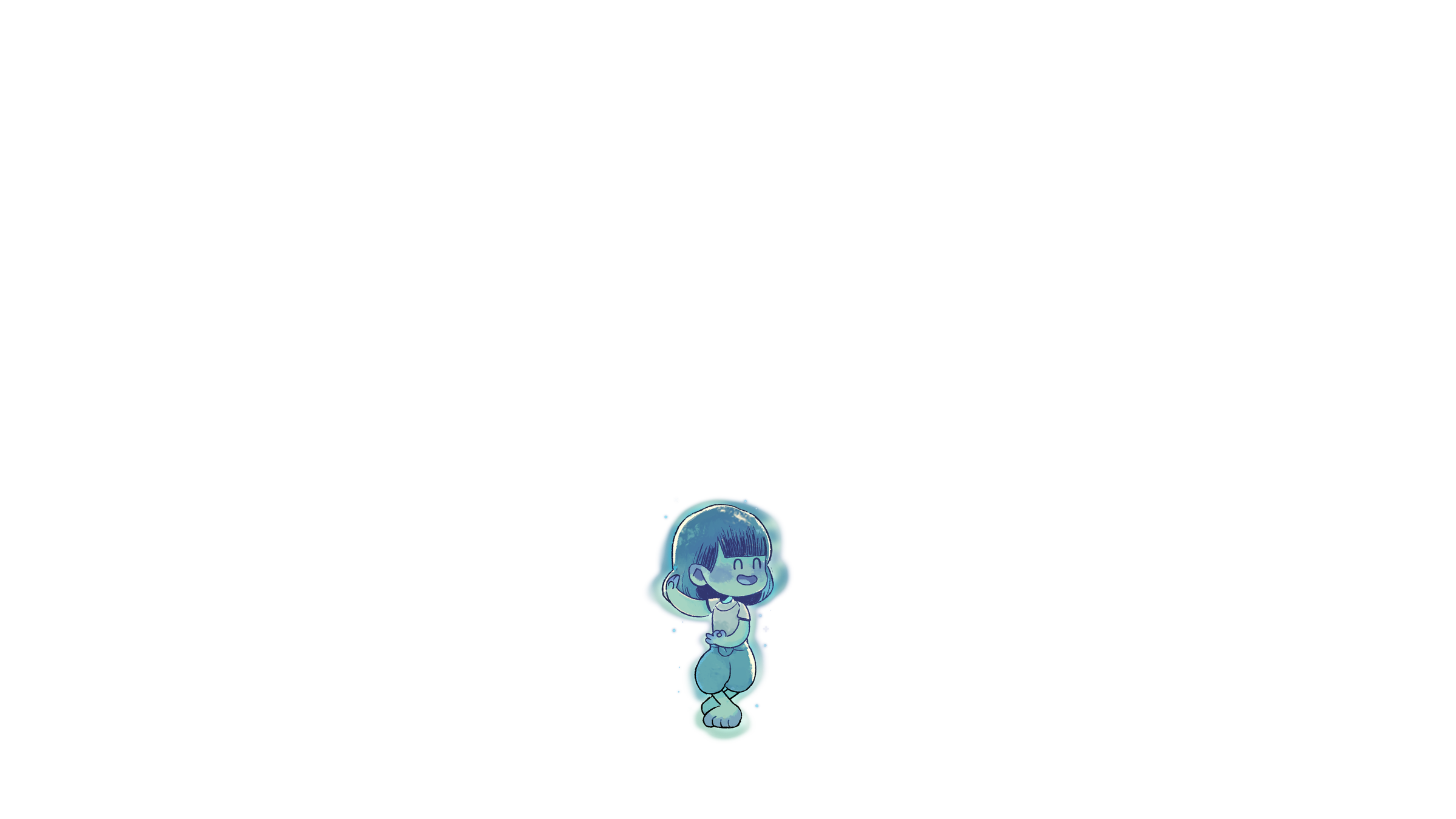
A little ghost, joyful and curious, who only Mai can see. She is delighted by nearly everything, and she has a way of pulling Mai back toward the living world one small wonder at a time.
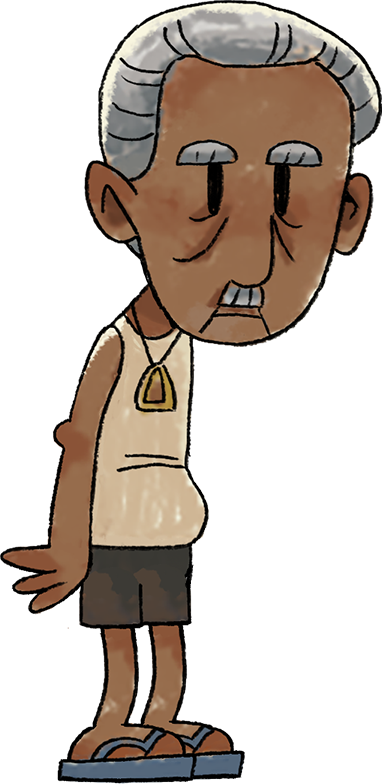
Mai's grandfather, the steady warmth and wisdom she comes home to. He believes her when she says she sees things, the way he once believed his late wife.
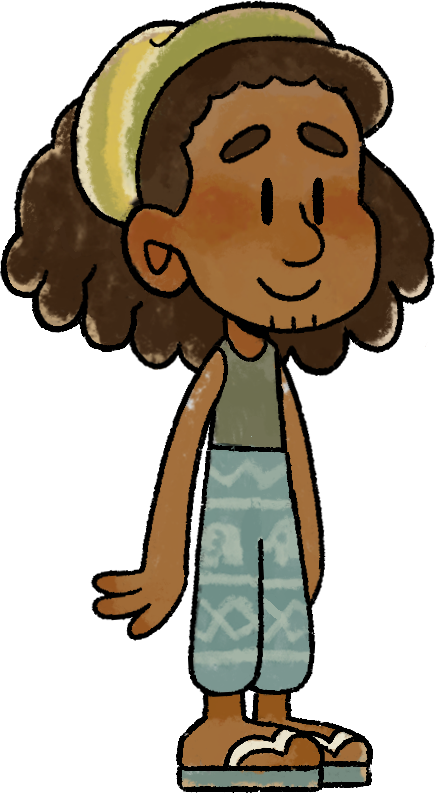
A musician with an easy warmth, and the one person who can fluster Mai with a single hello. He carries a heavy burden in his heart.
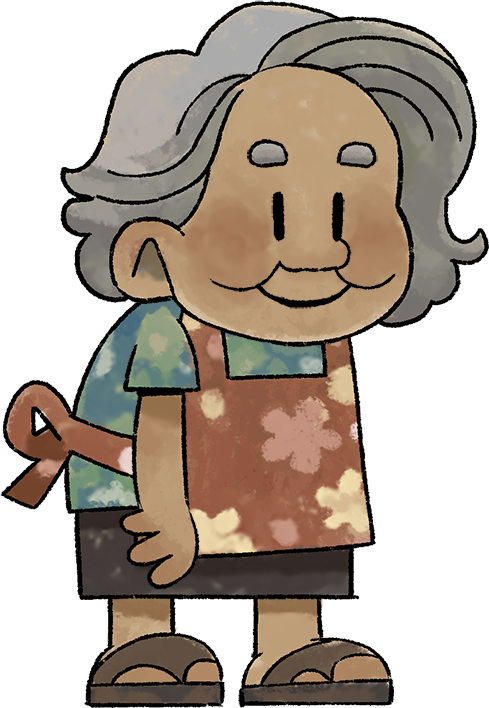
She runs a village food stall and never lets Mai or her grandfather go hungry, whatever their coins add up to. She has a soft spot, and a long history, with Grandpa.
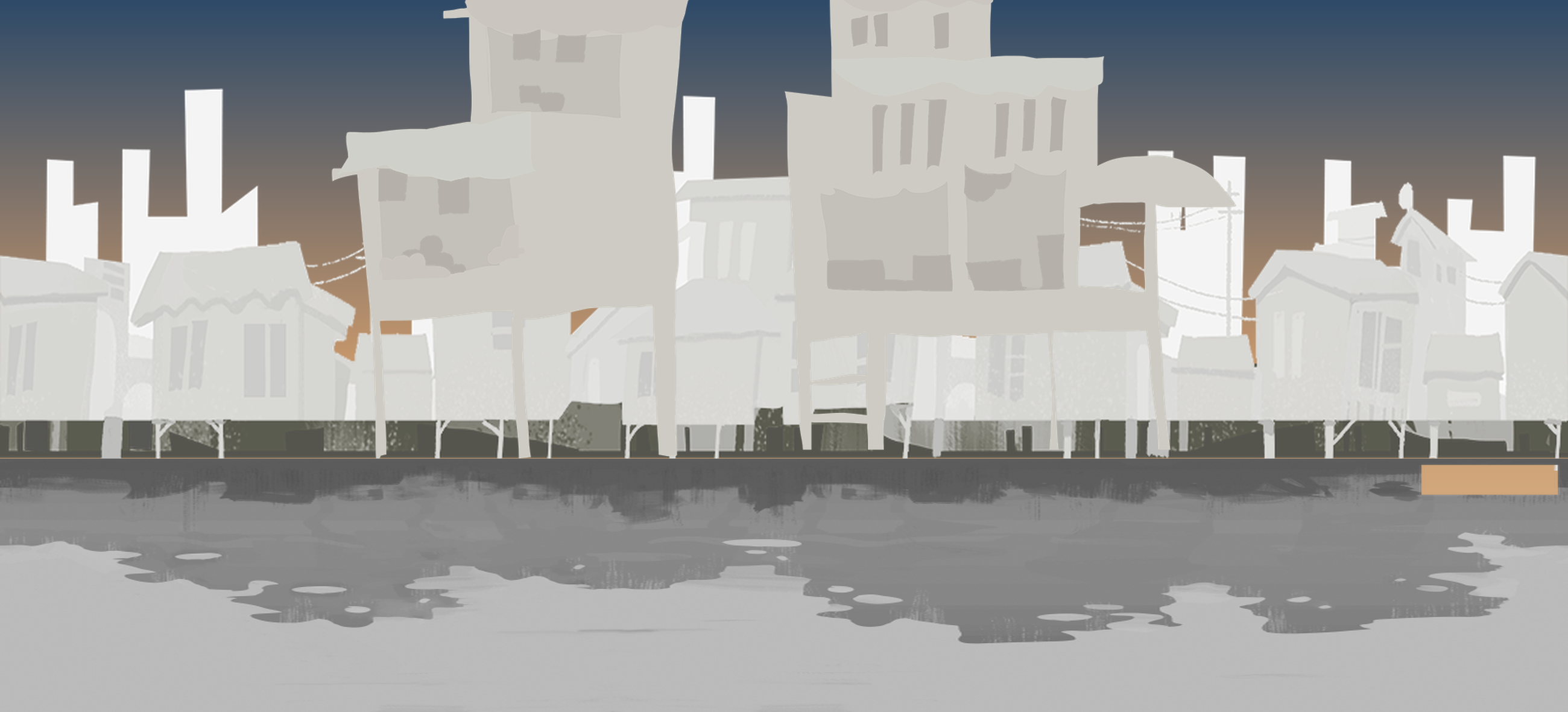
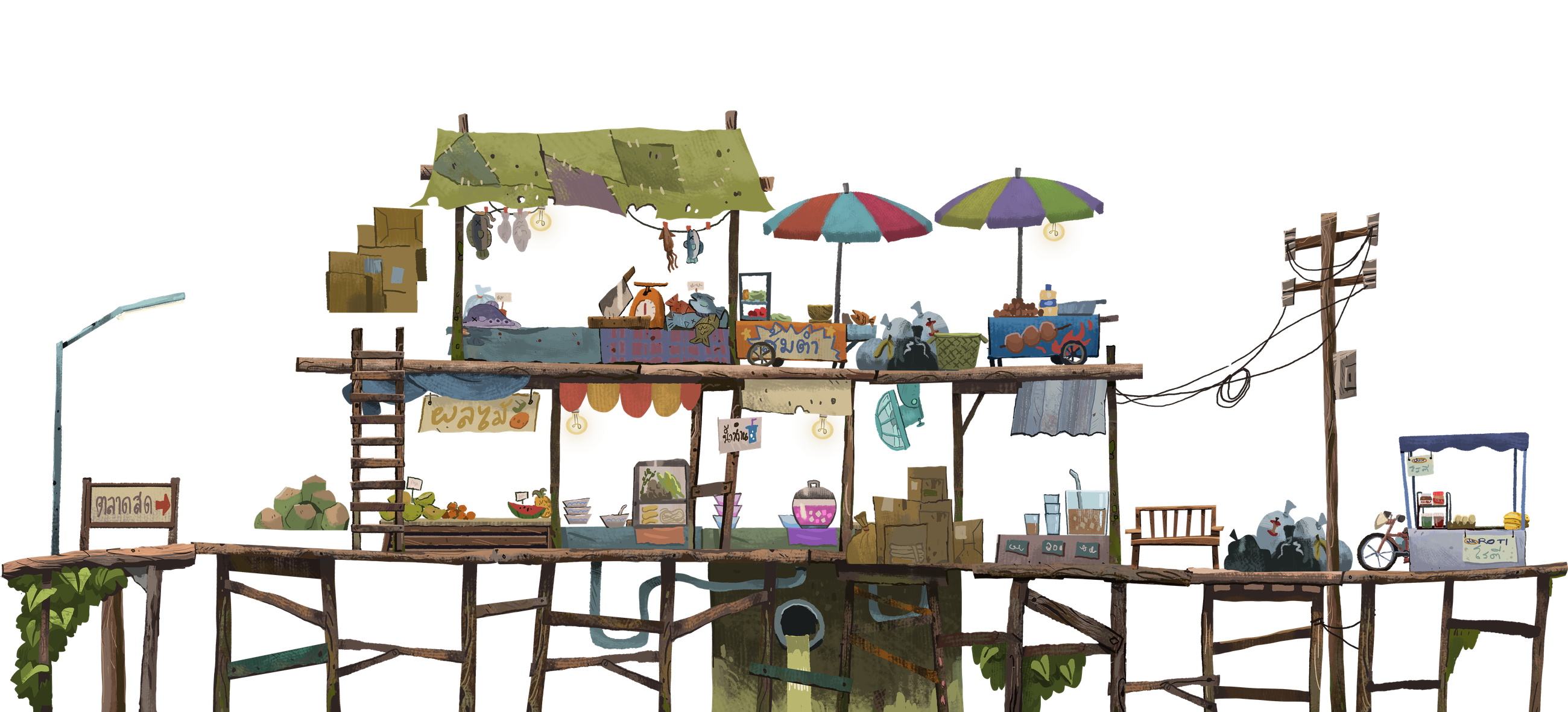
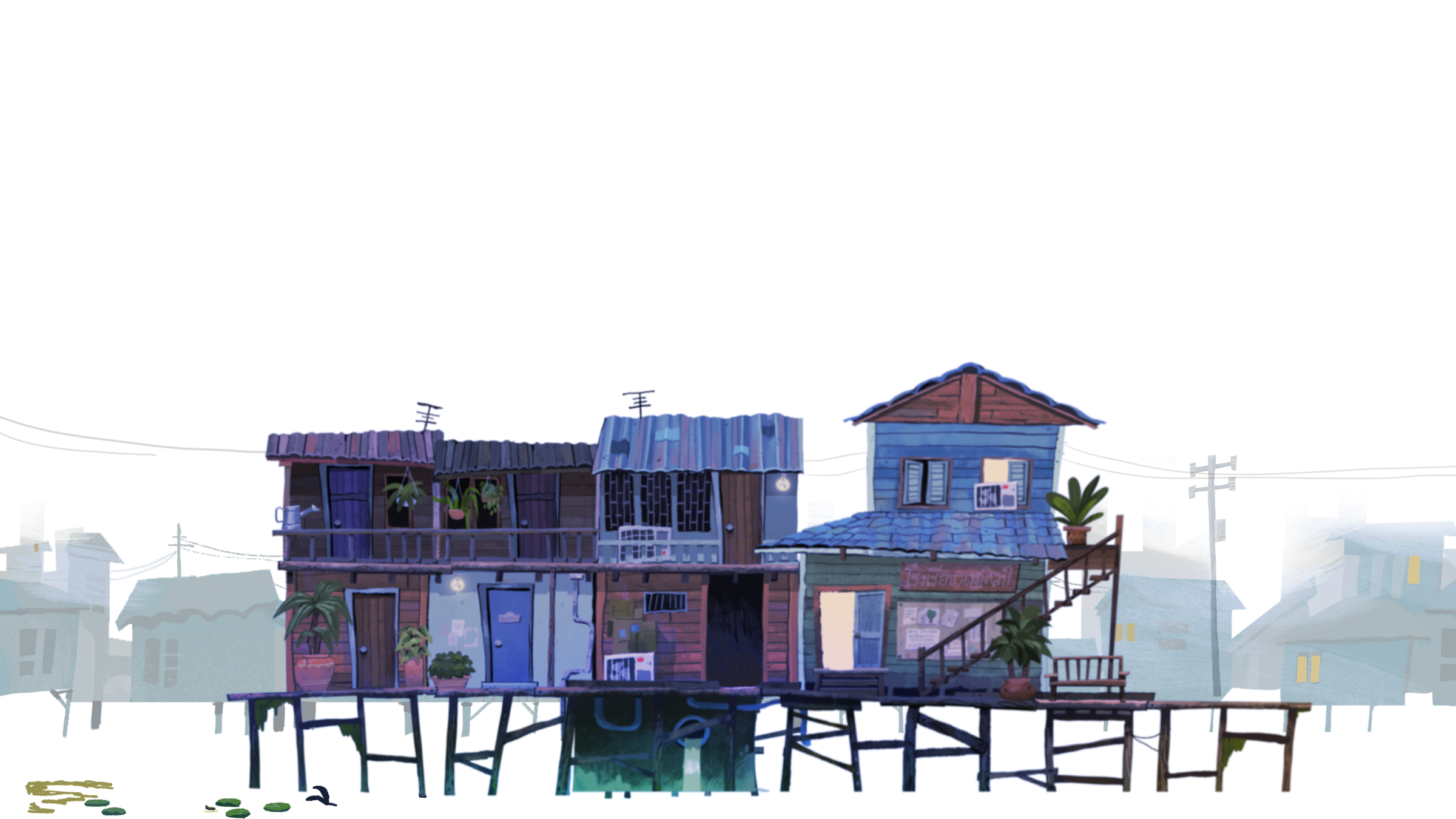
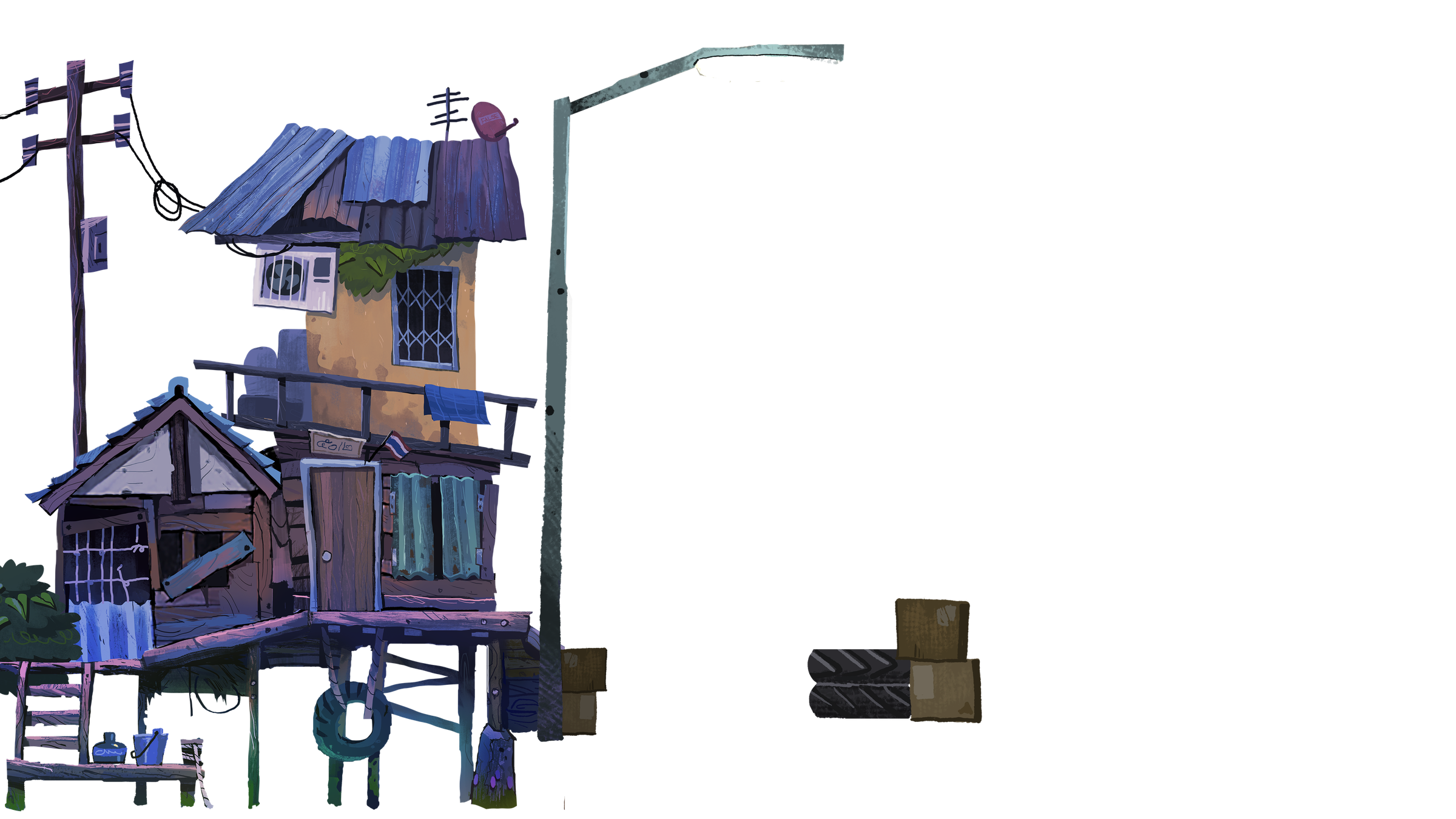
Mai lives with her grandfather in a small community along a river, where young and old, Buddhists and Muslims, live side by side, each with their own homes, histories, and quietly complicated lives.
As Mai, you help your neighbors with their daily tasks and troubles. Doing good for others earns boon , good karma, and the game is rooted in a Thai understanding that caring for the people around you is itself a form of healing.
The idea goes deeper still. There is a Thai practice called utit suan boon kusohn : the belief that good karma can be passed to those who have died. Mai shares the karma she earns with Pim, and through it the little ghost begins to remember who she was.
You can also play as Pim. As a phii , she can slip inside the hearts of the villagers, hear their unspoken wishes and quiet struggles, and whisper what she learns back to Mai. She can seek out heartlights, small sparks of positive energy, and carry them to people who need them, finding her way past the shadow-spirits drawn to that light.
To help her neighbors, Mai often needs money, which she earns ferrying people along the river in her boat. She dances, and she draws in her sketchbook. Earning karma unlocks the story at the heart of the game: the unfolding of Mai and Pim, full of warmth and meaning and moments that will make you smile, or maybe tear up a little.
Dancing with Ghosts is fully voice-acted in both English and Thai.
A full playthrough runs about 6 to 8 hours.
Rooted in Thailand
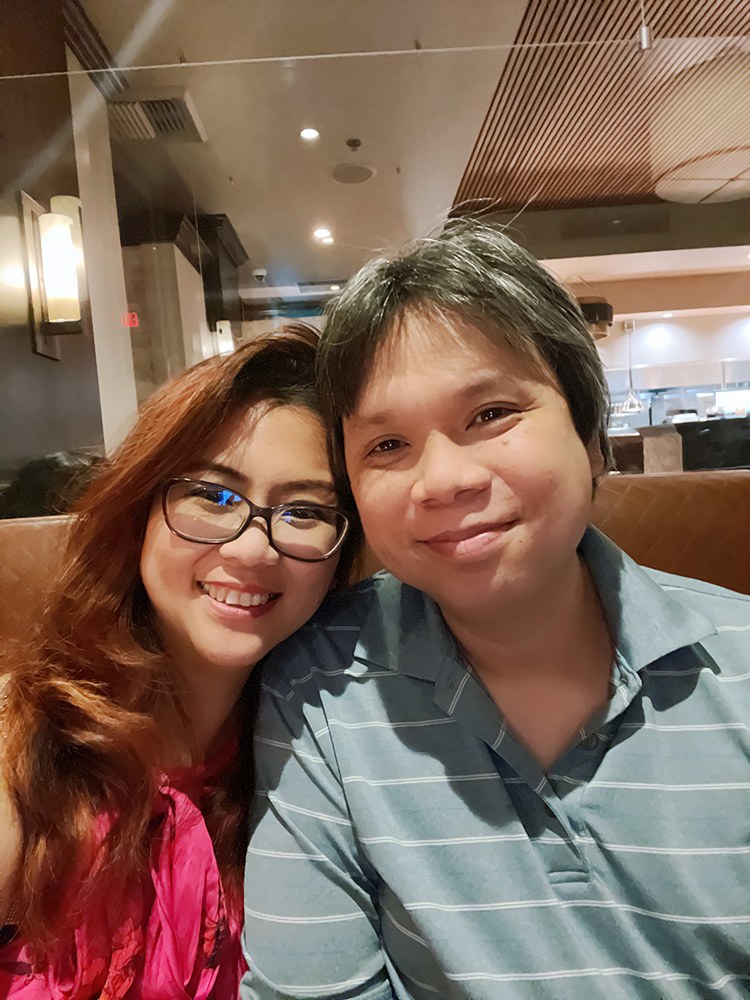
Dancing with Ghosts comes straight from the heart of its designer and writer, Greg Johnson. It is the most personal thing he has made.

Four years ago, Greg lost his daughter. Not long after, he and his wife came close to losing their own lives in a fire. Finding his way back meant arriving at two truths that became the heart of this game. The first: every moment of life is a gift, never to be taken for granted. The second: that we honor those we have lost by living the life they would have wished for us, and remembering them with love, unclouded by blame or regret.
Part of that path ran through Thailand. Greg, who speaks Thai and is close to his wife’s family, spent three months there while her uncle lay in the hospital with cancer and her father recovered in the same hospital after a stroke. He watched the family draw together to carry one another, and saw firsthand how the Thai practice of tham boon , helping others, is itself a way of healing. The strength of that extended family in hardship moved him, as did the Thai idea of honoring those who have passed, by doing good in their name (utit suan boon kusohn ).
He set the story in a river village like Bang Pa-In, where his wife is from, and drew its characters from his real family. The grandfather is based on his wife Sirena’s father, and named for her uncle. Mai is drawn from both his own daughter and his wife’s daughter-in-law, who is also named Mai. Greg has built many games over the years, including the classic ToeJam & Earl, but none this close to home. Watch the interview in Thai →
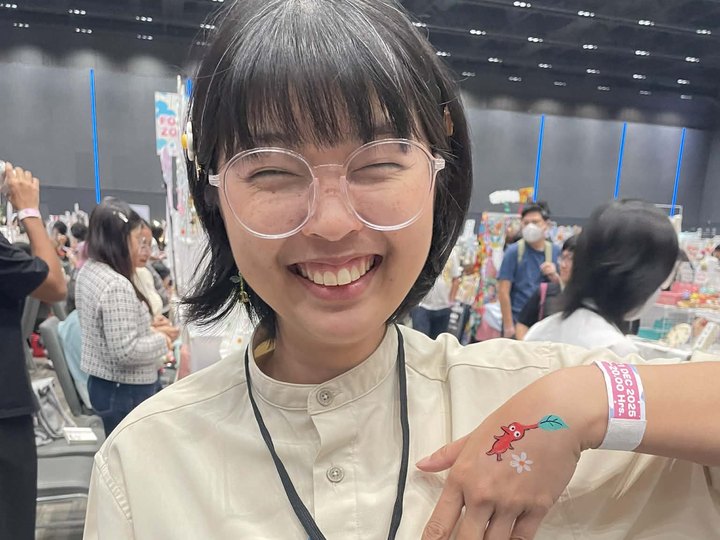
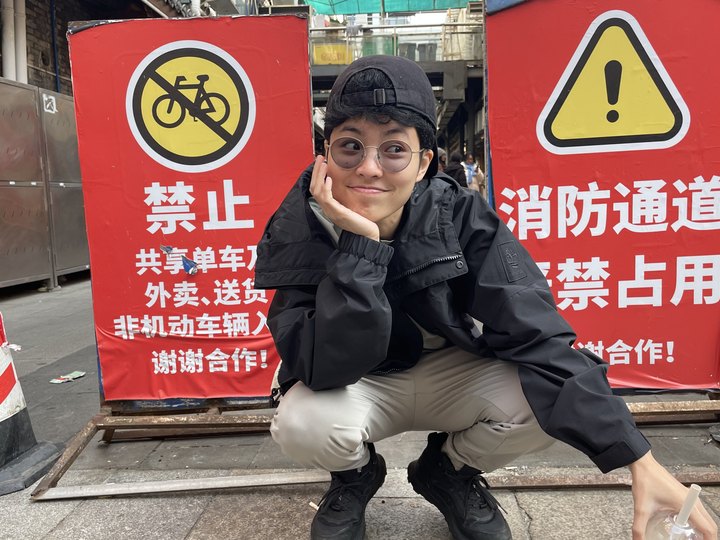
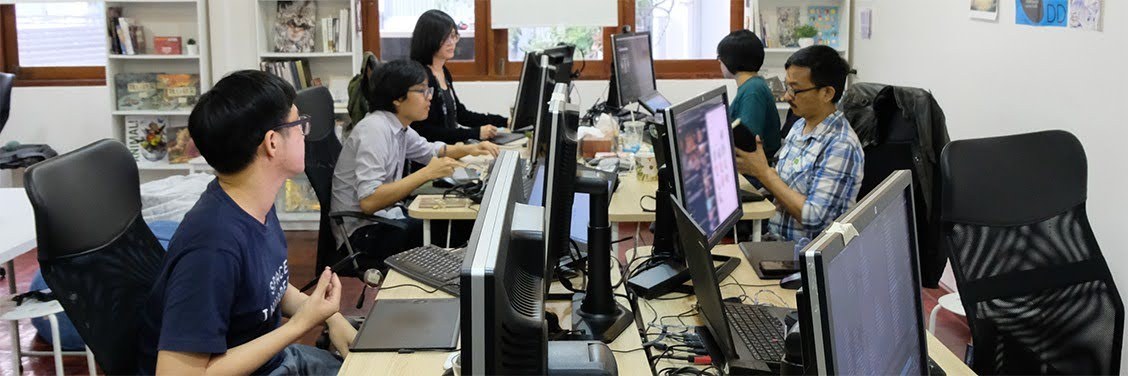
The game is as Thai as it is because the people who made it are. The artists who drew the characters and painted the world are Thai, and wanted to share the place they come from.
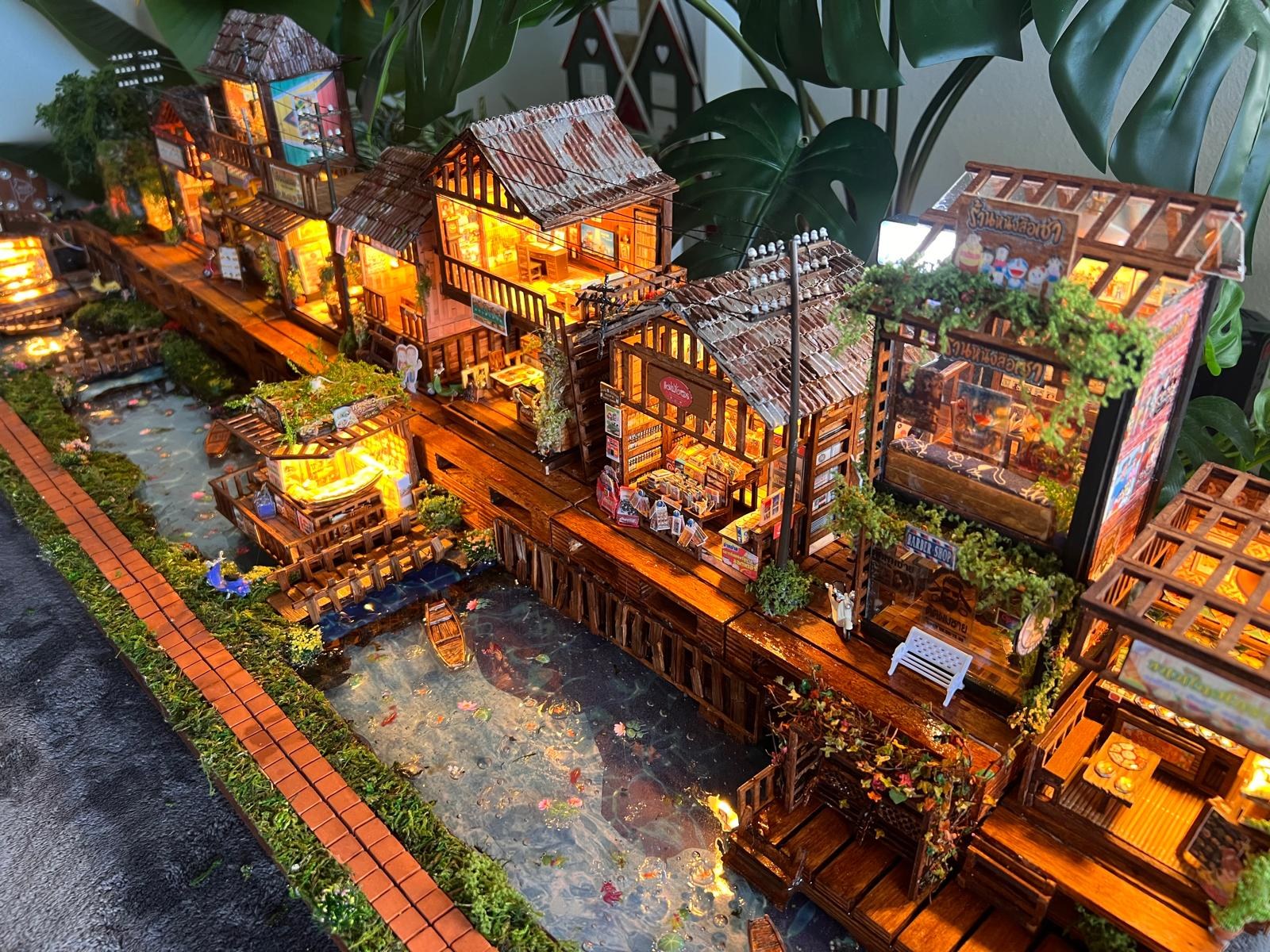
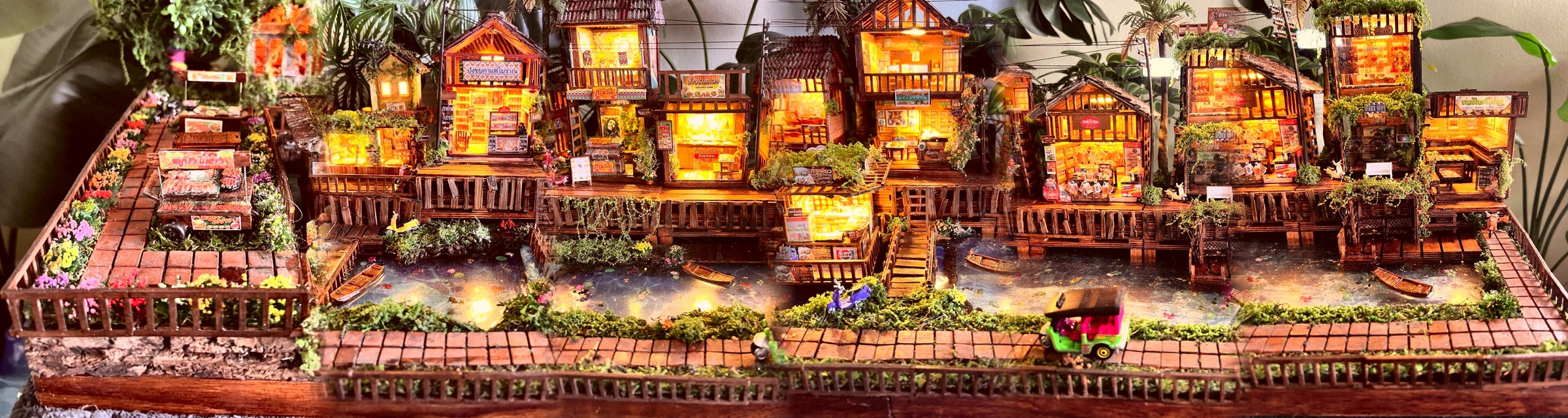
The animation studio works out of Bangkok and Chiang Mai. Sirena, who is Thai, served as cultural advisor and hand-built the village in miniature. The full game is voiced in both English and Thai: several of the English actors are Thai-American, and the Thai cast was recorded with an all-Thai studio in Bangkok. Genevieve Goings, of Disney’s Choo Choo Soul, directs the English voice cast and sings the five original songs as Mai; the reggae artist Conkarah sings one of them as Dee. All of this is why the game feels authentic. Because it is.




The voices


And the village exists beyond the screen, too: Sirena builds it by hand in miniature, models that have traveled with the game to showcases around the world.

Thai players and creators have started finding the game on their own, and we’re now building a community around an honest, affectionate picture of Thai culture we hope keeps growing. The game’s Thai-American head of publishing, Yada Khoongumjorn, is connecting it with the Thai community and the organizations that support Thai artists. The hope is bigger than one game: that the hunger for true Thai stories beyond beaches and pad thai runs deep enough to give other Thai creators the courage to tell their own. It’s becoming a grassroots movement, just beginning to take shape in the real world.
Boon Trail
Something is coming to LA’s Thai Town: a real-world walk in the spirit of the game. Collect a stamp at each stop, make a little merit, and send some love to the shops and kitchens that make the neighborhood what it is. It is interactive and shared along the way on our socials, a playful way to pick up the culture the game is made of, the food, a few Thai phrases, the small everyday customs. It is early, and we are building it with the community. Be the first in.
Become a Patron
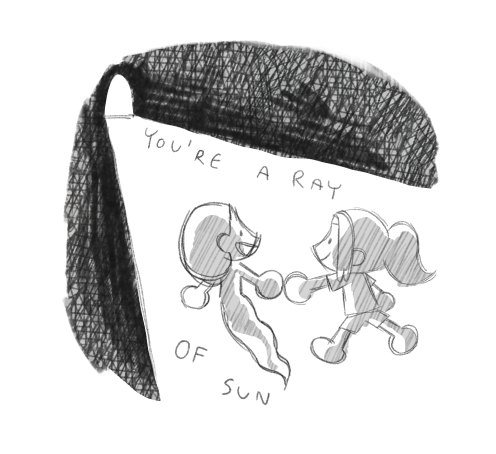
Dancing with Ghosts is made with great care and not a lot of money. If it has found a place with you, be a patron of something you want to exist: your name in the credits, a hand-built village miniature, a peek behind the scenes.
No commitment and no store yet. Register your interest and we will bring you in the moment it opens.
Latest from the village
We’ve released a brand new, 90-minute public demo as a part of the Wholesome Games Celebration! Check out both on our Steam Page here.
And don’t forget to Wishlist and follow us, we have so much more in store for our journey together!
With love,
Greg, Yada, and the DWG team
Press & Recognition

“Dancing With Ghosts channels the timeless Ghibli ideal that kindness and empathy are forms of strength.”
CBR
“Channels real-life heartbreak into something luminous.”
GeekGasm
“It stands apart by embracing empathy and emotional honesty.”
The Gaming Circle